
Last updated November 2, 2026
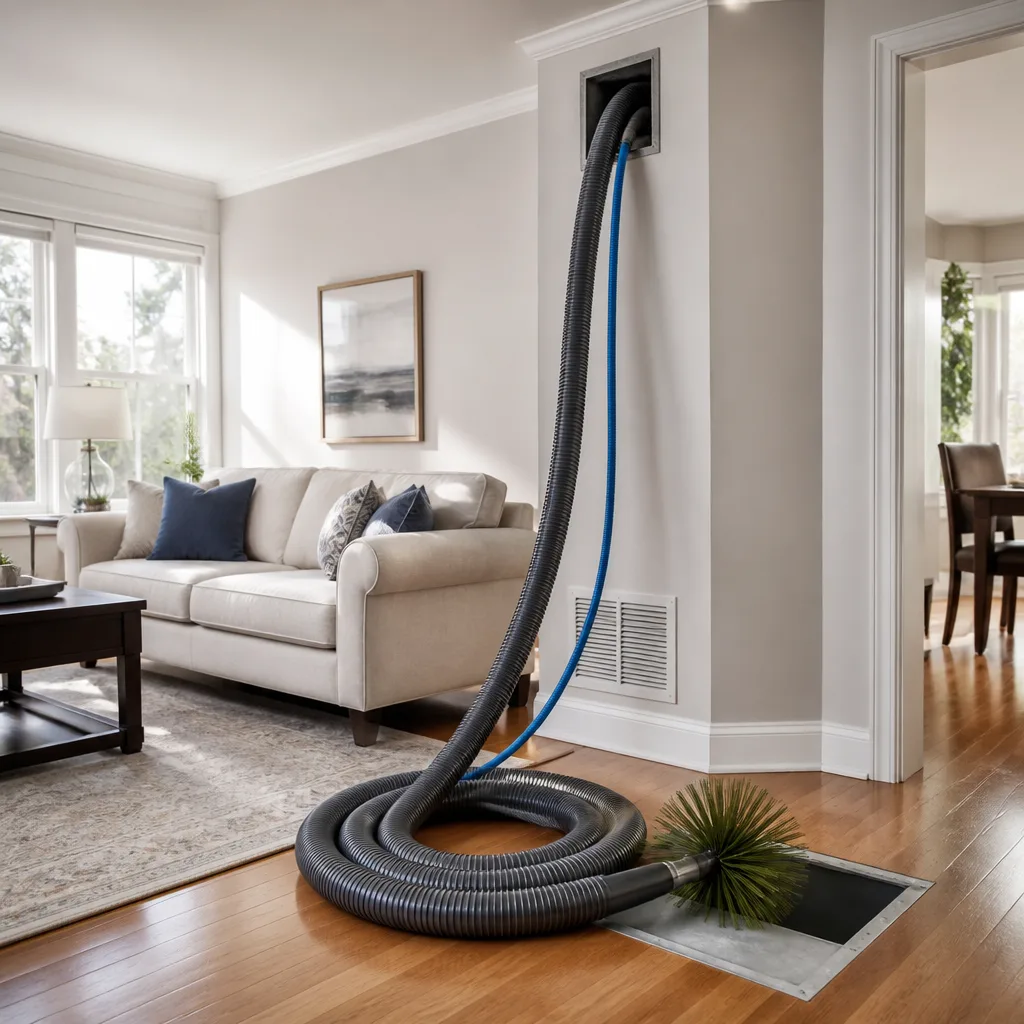 Whole-home duct cleaning
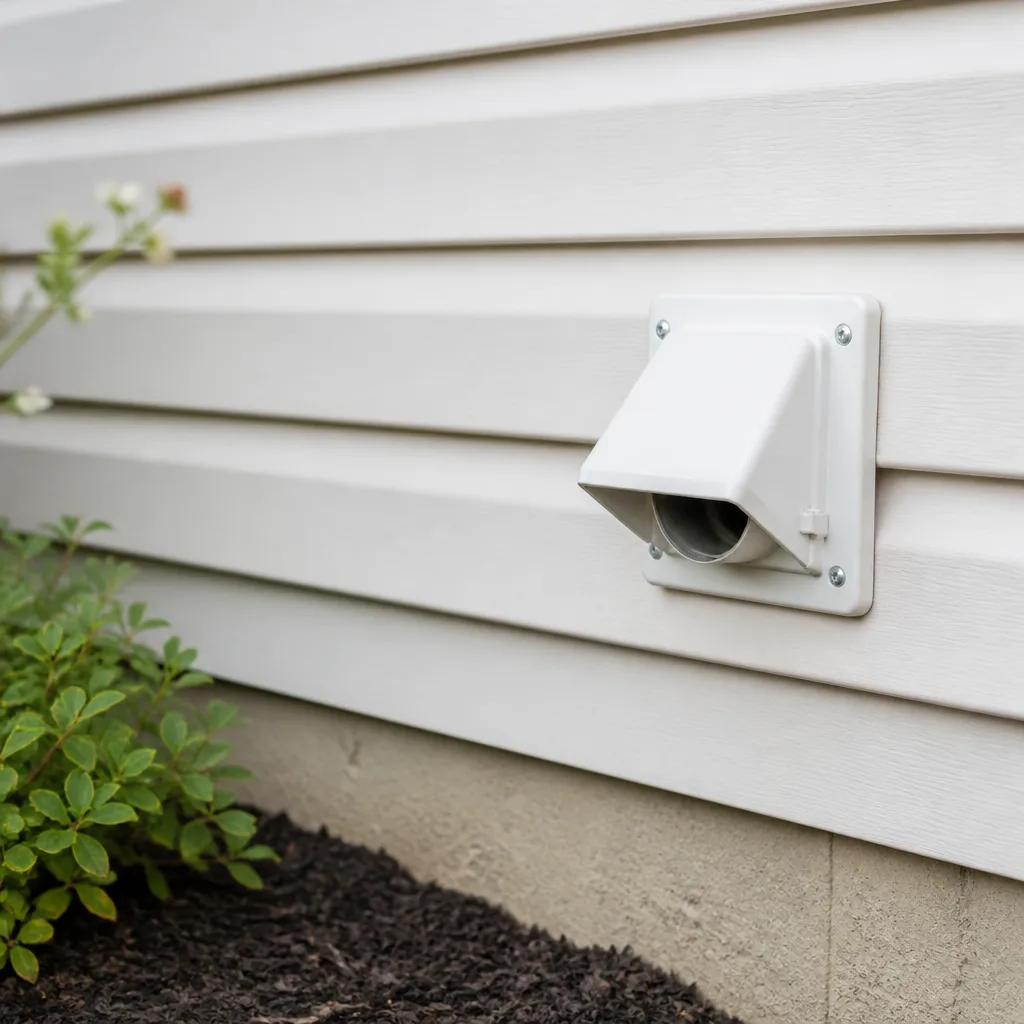 Dryer vent cleaning
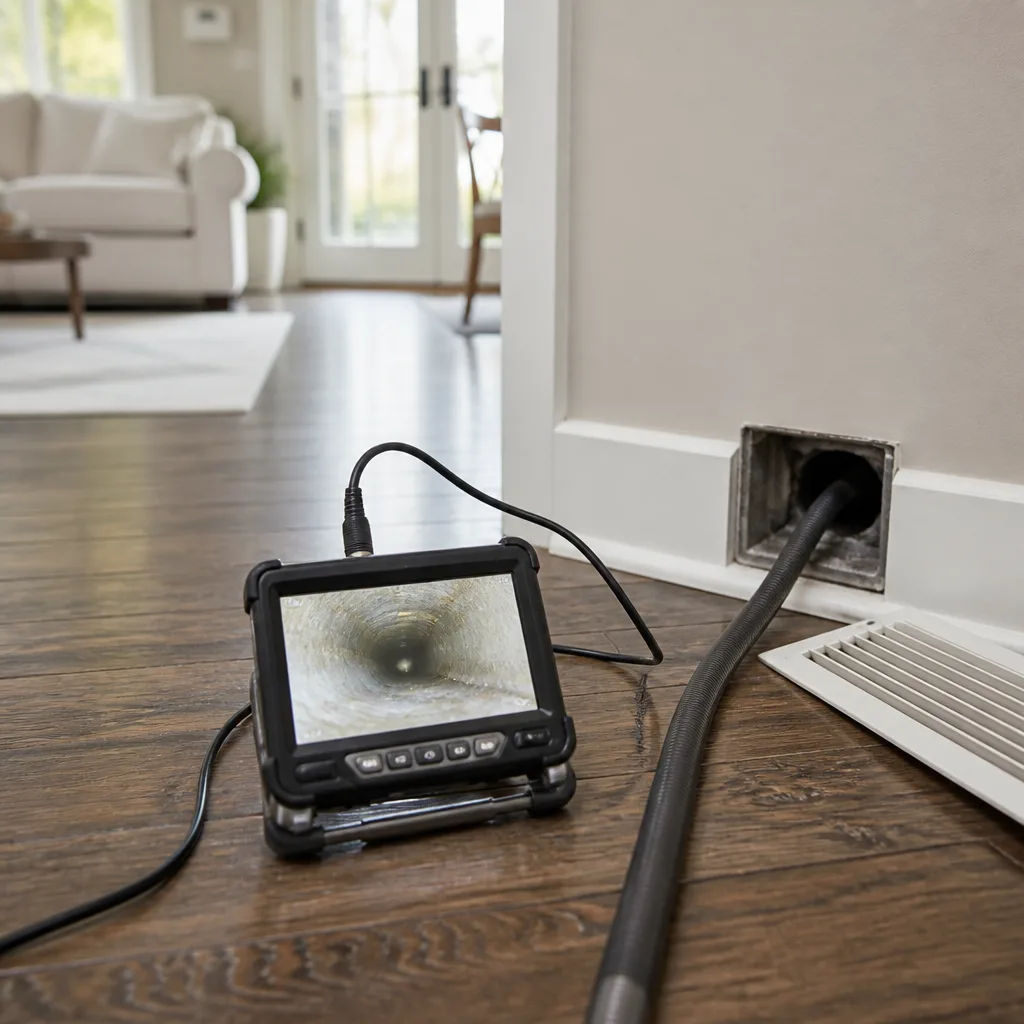 Camera inspection
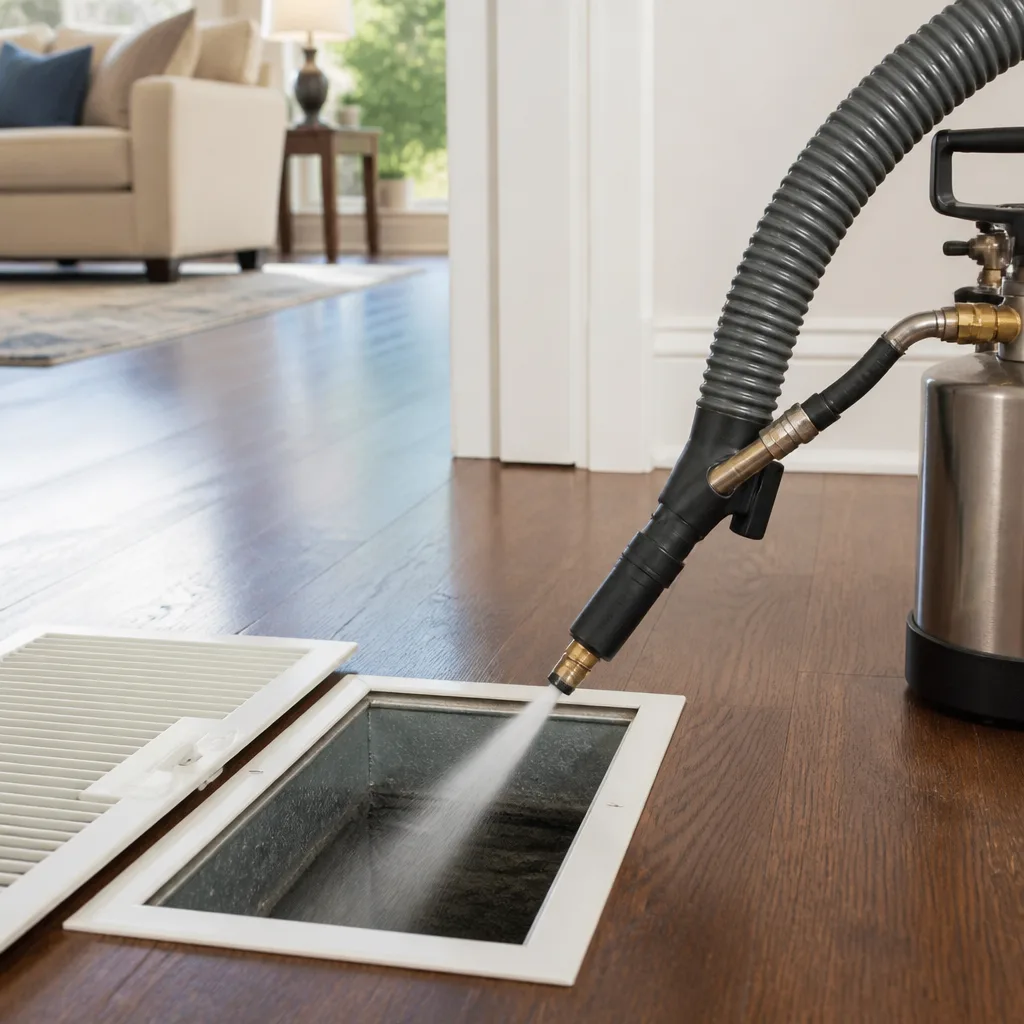 Sanitizing & deodorizing
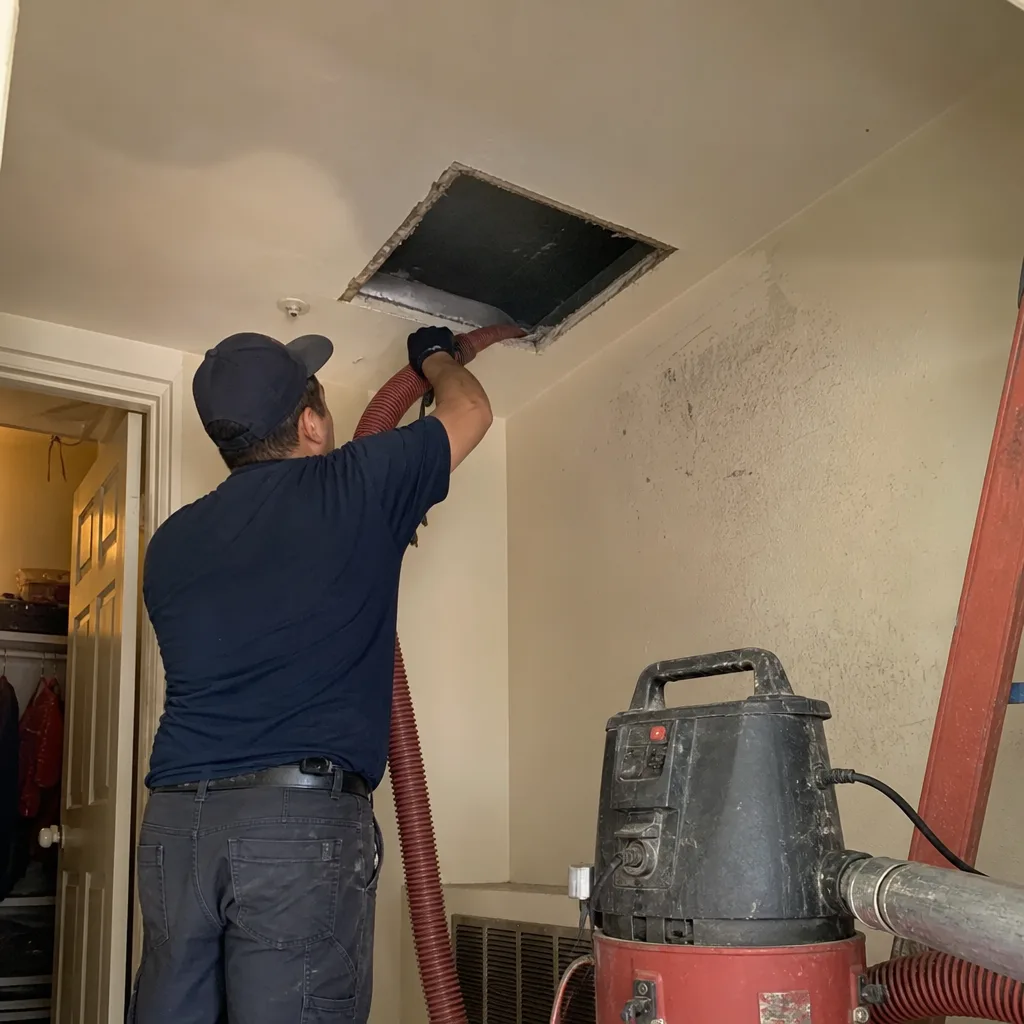
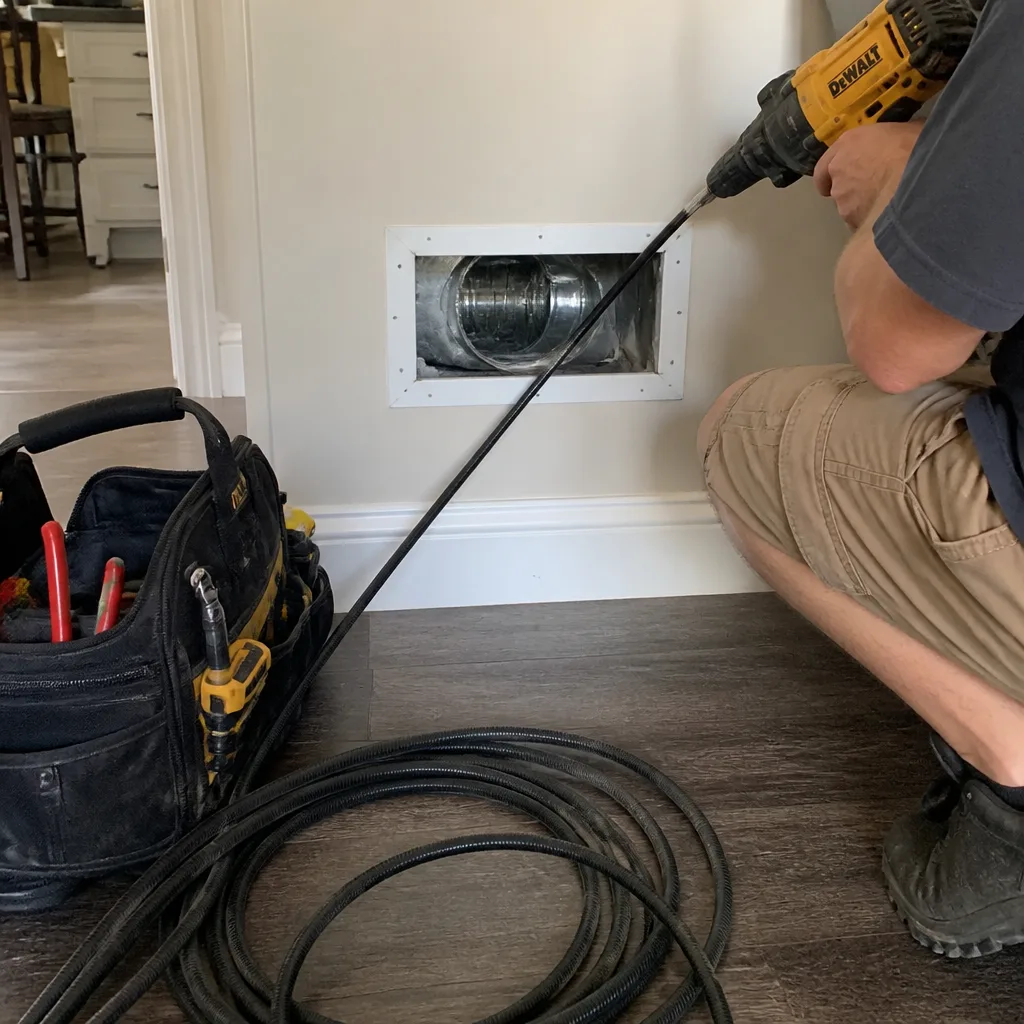
Whole-system duct and dryer vent check with before-and-after photos - you see exactly what came out of your vents
That "$99 whole-house special" is a bait ad - the real number appears once they are in your hallway, or the "clean" is a shop-vac at the register. We photograph the inside of your ducts before and after instead.
Air Duct Cleaning Troubleshooting: Common Problems and How to Fix Them
If your home still smells musty two weeks after a duct cleaning, the technician most likely cleaned the supply ducts and ignored the return air side, the exact half of the system where odor-causing biofilm typically originates. In Elk Grove, where summer temperatures routinely cross 100 degrees and HVAC systems run nearly year-round, this kind of half-finished work shows up quickly. This guide breaks down the most common post-cleaning complaints, what actually causes them, and how a homeowner can tell the difference between a bad Air Duct Cleaning and a different problem entirely. You’ll learn how to diagnose persistent dust, weak airflow, lingering odors, and when the issue requires more than another pass with a brush.
Styles & brands we work with
- Whole-home duct cleaning
- Dryer vent cleaning
- Camera inspection
- Sanitizing & deodorizing
Quick Answer
Most Air Duct Cleaning Warning Signs: An Elk Grove Homeowner’s Reference Guide problems fall into four categories: incomplete extraction, skipped sections, contaminated components left untouched, or a biological source that cleaning alone cannot fix. Persistent dust after a cleaning usually means the contractor agitated debris without capturing it under true negative pressure. Musty odors that survive a cleaning typically point to the return side, the coil, or a moisture source that was never addressed. The fix is usually a process correction, not another layer of scrubbing.
Table of Contents
- Symptom-to-Cause Map: What Your Ducts Are Telling You
- Negative Pressure vs. Shop-Vac: Why Equipment Explains Most Complaints
- Scope Creep: Cleaning Trunk Lines and Skipping the Branches
- The Coil and Blower Wheel: The Reservoirs That Invalidate a Cleaning
- When the Problem Is Biological, Not Mechanical
- Air Duct Repair: When Cleaning Alone Cannot Fix the System
- A Separate Problem: Dryer Vent Failures That Masquerade as Duct Issues
- What a Proper Post-Cleaning Verification Looks Like
- Common Mistakes to Avoid
- When to Call a Professional
- Frequently Asked Questions
- The Bottom Line
Symptom-to-Cause Map: What Your Ducts Are Telling You
Before you call anyone back, it helps to know what each symptom actually indicates. In our experience serving the Duct Cleaning Elk Grove home, most complaints trace back to one of four mechanical failures, not to some mystery about the house. Here is the map we use on every service call:
- Dust reappearing within weeks: Debris was dislodged but never extracted. The brush knocked it loose, and the vacuum lacked the pull to remove it. Once the system restarted, that loosened material blew straight into the living space.
- Musty odor that never went away: Either the return air side was skipped, or the odor source sits in the evaporator coil or blower wheel, not the duct walls. Cleaning supply ducts will never touch this smell.
- Weak airflow from specific vents: A flex duct was disconnected during brushing, or an existing crushed or collapsed liner was never repaired. This is a structural problem, not a dirt problem.
- Debris visible at the register boots: The contractor cleaned the trunk line but stopped before the final few feet where settled debris actually concentrates. Branch runs and boots are the most common skipped sections in Elk Grove homes built in the 1990s and 2000s.
Each of these is solvable. But solving them requires knowing which one you are looking at. The sections below walk through each failure mode in detail.
Negative Pressure vs. Shop-Vac: Why Equipment Explains Most Complaints
The single biggest differentiator between a cleaning that holds and a cleaning that does not is whether the contractor used true negative air containment or a portable shop-vac. Most post-service complaints about dust settling back within days come down to this one variable.
Here is the distinction in plain terms. A shop-vac moves air. It will pick up loose debris within a few inches of the hose end. What it does not do is create negative pressure inside the duct system, which is what keeps dislodged particulates from escaping into the room during agitation. When a technician brushes a duct wall aggressively, debris becomes airborne. Without containment, that airborne material travels the path of least resistance, and that path is often through the open register into your living room.
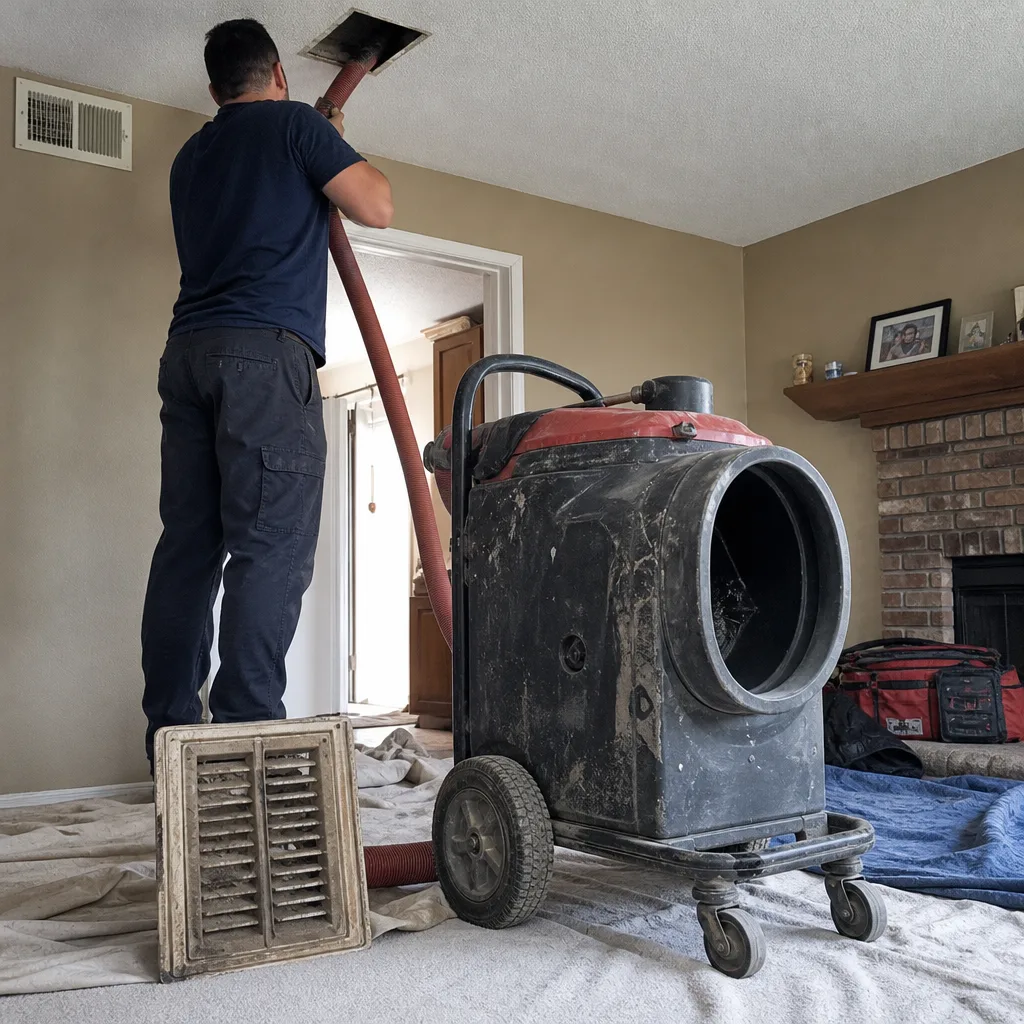
Professional systems like Abatement Technologies negative-air equipment work differently. They seal the system and exhaust filtered air outside, pulling the entire duct network under negative pressure. Agitation happens inside that contained environment, and any dislodged debris is drawn toward the collection point, not pushed into the home. The air leaving the system passes through HEPA-grade filtration before it exits.
Nikro HEPA-filtration vacuums perform a similar function at the point of service. They capture particulates at the source rather than redistributing them. Combined with a Rotobrush rotary brush system, which agitates and extracts in a single pass, the process is engineered so that debris has exactly one destination: the collection canister.
If your previous cleaning used a van-mounted or portable vacuum without sealing the system and pulling it negative, the dust you are seeing is likely the same dust the technician dislodged. It never left your ducts. It just moved around inside them until the blower fan pushed it back out.
Scope Creep: Cleaning Trunk Lines and Skipping the Branches
Duct systems branch. The trunk line runs along the main axis of the home, and branch runs feed individual rooms. Settled debris does not distribute evenly across this network. In most Elk Grove homes, the heaviest accumulation sits in two places: the return air drop and the final few feet of each supply branch where it meets the register boot.
Some contractors clean only the trunk. It is faster. The trunk is accessible from the plenum, and a technician can run a brush down the main line in a fraction of the time it takes to work each branch individually. The result is a system that looks clean at the inspection point and remains fully loaded everywhere else.
In our experience, branch runs and boots are where the debris actually concentrates. That is where air velocity drops at the register, where dust settles out of the airstream, and where dead insects, pet hair, and construction debris end up. Skipping these sections is not a partial cleaning. It is the equivalent of vacuuming only the center of a room and calling the carpet clean.
The fix is a full-system cleaning that includes every branch run and every register boot, with agitation and extraction performed at each access point. There is no shortcut around this. If a quote seems unusually low, ask what is included. If branch runs are not specified, they are probably not being cleaned.
The Coil and Blower Wheel: The Reservoirs That Invalidate a Cleaning
Your ductwork is only part of the air pathway. Air passes through the return ducts, into the air handler, across the evaporator coil, through the blower wheel, and then out through the supply ducts. Two components in that sequence act as contamination reservoirs: the coil and the blower wheel.
The evaporator coil sits in a dark, damp environment whenever the air conditioner runs. Condensation forms on the coil surface, and that moisture captures whatever particulate matter passes through. Over years, the coil develops a layer of damp, compacted debris that smells and restricts airflow. Cleaning the ducts while leaving this layer intact is like washing the hallway but skipping the room where the spill happened.
The blower wheel is the other reservoir. Blower wheels accumulate a fine coating on the concave side of each blade. That coating reduces the wheel’s efficiency and sheds particles back into the airstream. It also holds odor. If a cleaning does not include coil and blower wheel service, any improvement in air quality will be short-lived because the system keeps reintroducing contaminants from these untouched surfaces.
We run into this constantly in Elk Grove, where AC systems run six to eight months of the year and coils stay damp through the entire summer. A proper Air Duct Cleaning in Elk Grove addresses the coil and blower wheel as part of the job, not as an upsell. If your previous invoice did not mention these components, that omission is likely why the results did not last.
When the Problem Is Biological, Not Mechanical
Duct cleaning removes particulate matter: dust, debris, pet hair, construction residue. It does not kill mold. It does not remove a rodent colony. It does not dry out a saturated duct liner. These are separate problems, and they require separate interventions before mechanical cleaning will produce a lasting result.
Here is how to tell the difference. If the odor is musty and concentrated near one section of ductwork, or if you see visible microbial growth on register surfaces or inside boots, the problem is biological. Cleaning that section will temporarily reduce the odor by removing some surface material, but the colony survives in the insulation, liner, or surrounding building material, and it will re-establish itself.
The sequence matters. Biological contamination needs remediation first. That means identifying the moisture source, stopping it, removing affected materials, and treating the area. Only after remediation is complete does mechanical cleaning make sense. Cleaning first, remediating second, means the cleaning was wasted effort and money.
Rodent intrusion follows the same logic. If animals have nested in a duct run, the debris, droppings, and odor source must be removed and the entry point sealed. Then the duct can be cleaned. If a contractor cleans around a rodent nest without removing it, the odor returns within days.
We are honest with Elk Grove homeowners about this. Not every duct problem is a cleaning problem. Part of being a competent operator is knowing the boundary of your scope.
Air Duct Repair: When Cleaning Alone Cannot Fix the System
Some problems have nothing to do with dirt. A disconnected flex duct creates weak or absent airflow at a register, and no amount of cleaning will reconnect it. A crushed duct section restricts airflow upstream of the visible problem. A separated boot allows conditioned air to leak into the attic or crawlspace. These are structural failures.
Here is the frustrating part for homeowners: some duct cleanings actually cause disconnections. Aggressive brushing, especially in flex duct systems, can pull a connection loose where the flex attaches to the boot or the trunk tap. The technician leaves, the system restarts, and conditioned air pours into the attic instead of the bedroom. The homeowner notices the problem days later and assumes the cleaning was incomplete. In reality, the cleaning created a new structural issue that was never addressed.
This is why we offer Air Duct Repair in Elk Grove as a core service, not an afterthought. Most cleaning-only companies cannot touch structural ductwork. They are equipped to vacuum, not to seal, reconnect, or patch. When we find a disconnected run during a cleaning, we fix it on the spot. That is the difference between a company that works around problems and one that resolves them.
Elk Grove homes built before 2000 are particularly prone to this. Flex duct in attics ages, connections loosen at the collars, and the nylon zip ties that originally held them degrade in the heat. A cleaning that does not inspect and repair these connections is leaving known defects in place.
A Separate Problem: Dryer Vent Failures That Masquerade as Duct Issues
Homeowners sometimes attribute a dryer-vent symptom to the HVAC system. The dryer takes too long to dry clothes. The laundry room gets unusually warm. There is a faint burning smell when the dryer runs. These are not HVAC problems. They are dryer vent problems.
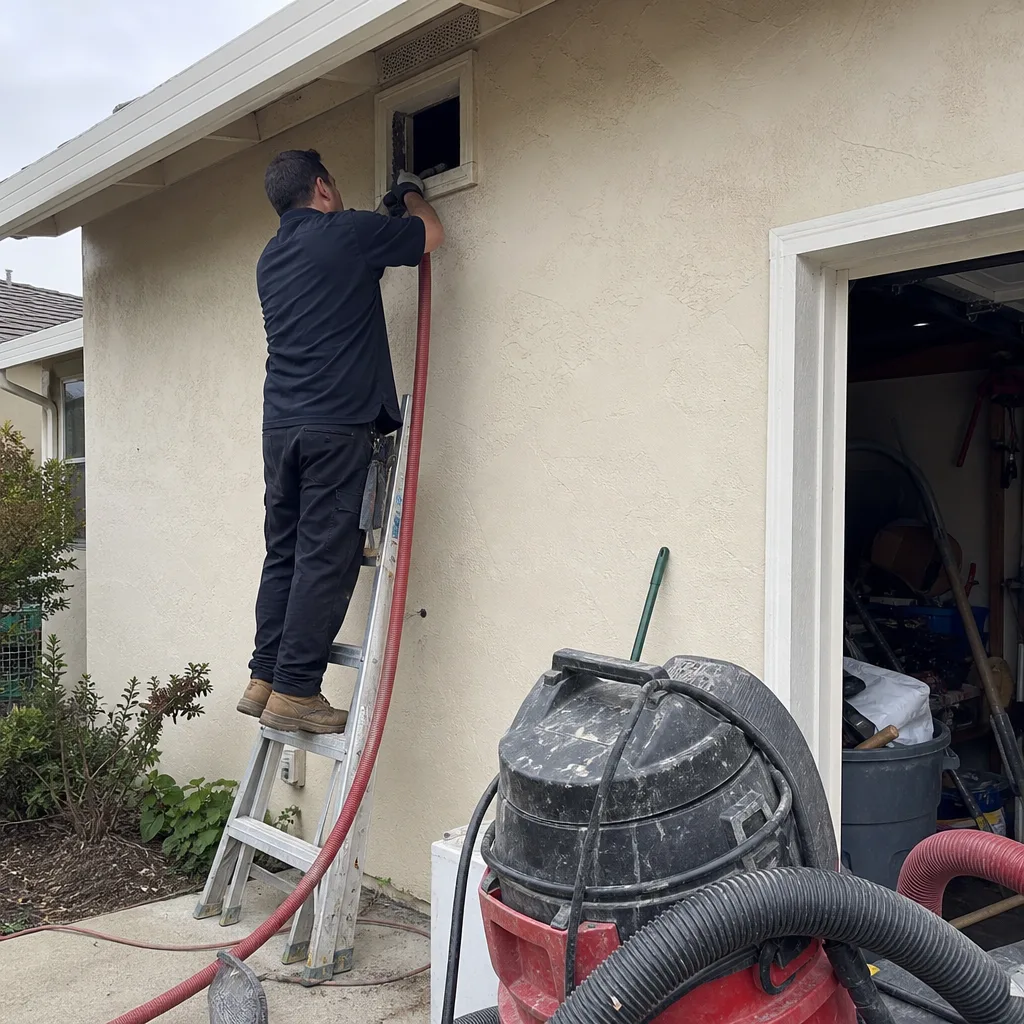
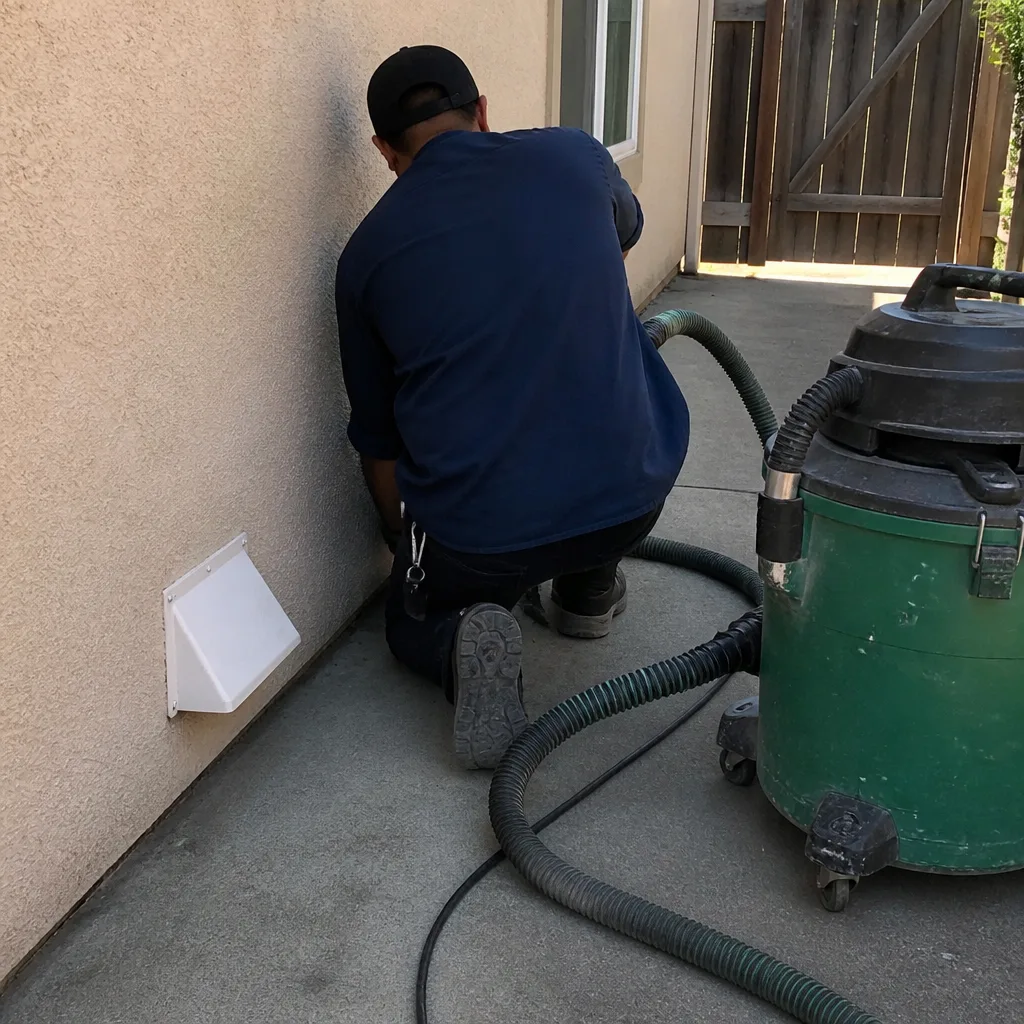
The distinction matters because the fix is different. A dryer vent is a dedicated exhaust run from the appliance to the exterior. It is not connected to the HVAC ductwork. Cleaning the HVAC system will do nothing for a clogged dryer vent. What the vent needs is its own cleaning, with its own equipment and its own process.
Lint accumulation in a dryer vent is a documented fire hazard. The U.S. Fire Administration identifies failure to clean dryer vents as a leading cause of residential dryer fires. Beyond the safety concern, a restricted vent makes the dryer work harder, which shortens its service life and wastes energy. In Elk Grove, where dry summer heat already stresses appliances, that efficiency loss shows up quickly on utility bills.
We offer Dryer Vent Cleaning in Elk Grove as a standalone service because it is a different job with different equipment and different success criteria. If your symptom is a slow dryer, the fix is not an HVAC duct cleaning. It is a dryer vent cleaning.
What a Proper Post-Cleaning Verification Looks Like
How do you know the work was actually done, and done correctly? This question drives a lot of homeowner skepticism, and it is fair. You cannot see most of the inside of your duct system. You are relying on the contractor’s word. Here is what verification should look like.
First, ask for before-and-after photos of the actual ducts. Not generic marketing photos. Your ducts. A contractor using professional-grade equipment should be able to run a camera into the system and show you the before condition and the after result. If a company cannot produce this, ask why.
- Before photos of the worst sections: Ask the technician to photograph the return air drop, the coil, and one representative branch run before starting. These are typically the dirtiest areas.
- After photos of the same sections: The same angles, after extraction. Compare them. The difference should be obvious, not subtle.
- Register-by-register airflow check: After the system restarts, every register should have airflow consistent with its distance from the air handler. A register with noticeably weaker flow suggests a disconnect.
- Filter inspection: A freshly cleaned system should not immediately clog a new filter. If your filter is visibly loaded within two weeks, something is still shedding debris.
If your previous provider did not offer photos, did not inspect the coil, and did not check airflow after completion, you have good reason to question whether the work matched what was quoted. A verifiable process is not a luxury. It is the minimum standard for a trade that operates behind walls.
Common Mistakes to Avoid
- Hiring on price alone: Duct cleaning in Elk Grove ranges widely in price, and the low end almost always reflects skipped steps: no containment, no branch runs, no coil service. A low quote that omits these is not a deal. It is a partial job.
- Accepting a cleaning without before-and-after photos: If you cannot see the work, you cannot verify it. Reputable operators photograph their results.
- Assuming a cleaning fixes odors: Odors often originate in the coil, the blower wheel, or a biological source. Cleaning duct walls will not touch these.
- Ignoring weak airflow at a single register: A disconnected flex duct does not fix itself. It leaks conditioned air into the attic every day it is left unattended.
- Treating the dryer vent as an HVAC issue: A slow dryer needs vent cleaning, not duct cleaning. Calling the wrong service wastes time and money.
- Skipping the coil and blower wheel: These components are part of the air pathway. Leaving them contaminated means the system re-dirties itself within months.
- Waiting to address a rodent or moisture problem: Biological issues worsen over time. Cleaning around them does not solve them, and the work will not hold.
When to Call a Professional
Some problems are identifiable from a register with a flashlight. Others require access equipment, inspection cameras, and the ability to work inside a contained system. If you have persistent dust within weeks of a prior cleaning, musty odors that never cleared, weak airflow at specific registers, visible debris at boots, or a dryer that takes two cycles to dry a load, call a professional. Duct Cleaning Elk Grove offers free estimates in Elk Grove. Call (866) 705-7671 to schedule an inspection. We use Rotobrush and Nikro professional duct-cleaning systems, Abatement Technologies containment equipment, and we inspect the coil and blower wheel on every job. We also repair ductwork that other companies only vacuum around.
Frequently Asked Questions
Persistent dust after a cleaning almost always means debris was dislodged during agitation but never extracted under negative pressure. Without containment, loosened material stays in the system and blows back into the living space when the blower restarts. It can also mean the coil and blower wheel were never cleaned, so those surfaces continue shedding particulates. Call Duct Cleaning Elk Grove at (866) 705-7671 for a free inspection of the system.
Whole-system air duct cleaning in Elk Grove typically runs from $400 to $900 depending on home size, number of systems, and whether the coil and blower wheel are included. The price varies based on the actual scope. One flat price per system agreed before work starts protects you from bait-and-switch pricing. Call (866) 705-7671 for an exact quote on your home.
Cheaper quotes almost always reflect a narrower scope. The company may clean only trunk lines, skip branch runs and boots, skip the coil and blower wheel, or use a shop-vac without negative air containment. Each skipped step saves labor and equipment cost and reduces the effectiveness of the cleaning. The total price looks better, but the result does not. If the quote does not specify what is included, ask.
Ask for before-and-after photos of your actual ducts, including the return air drop, the coil, and at least one branch run. A contractor using professional equipment can capture these images and should be willing to show them. You can also check register airflow after completion and watch whether a new filter stays clean for more than a few weeks. If a company cannot provide photographic verification, treat that as a red flag.
Most homes benefit from a full-system cleaning every three to five years, though homes with pets, recent renovation work, or occupants with allergies may need it more frequently. The real indicator is not a calendar, it is what the system looks like when inspected. If you see debris at the register boots, if the filter loads up quickly, or if dust settles quickly after cleaning, the system needed it sooner.
It depends on where the smell originates. If the odor comes from the return air side, the coil, or a microbial source, a supply-duct-only cleaning will not fix it. The odor source must be located and addressed directly. In some cases, the smell is biological and requires remediation before mechanical cleaning will hold. A proper inspection identifies the actual source. Call (866) 705-7671 to schedule one.
The Bottom Line
Most post-cleaning complaints in Elk Grove are not mysteries. They are the predictable results of process failures: agitation without extraction, trunk-only cleaning, unserviced coils and blower wheels, or biological problems that were never addressed. A proper duct cleaning uses negative air containment, includes every branch run and boot, services the coil and blower wheel, and produces photographic proof of the work. If your system still shows symptoms after a cleaning, the answer is not another pass with cheaper equipment. It is a diagnostic look at what the first cleaning missed. Duct Cleaning Elk Grove offers free estimates in Elk Grove. Call (866) 705-7671 to schedule an inspection and find out what your ducts are actually telling you.
Written by the team at Duct Cleaning Elk Grove. For more guides & resources, visit our blog.
See the difference
 Before
 After
 Before
 After
 Before
 After